The Immersive Classroom
  • Home
  • About
  • Lessons
    • Teaching with Music >
      • Song warm-up lesson plans, setup, procedure, and exams
      • How to teach "Tú sí sabes quererme" by Natalia Lafourcade
      • How to teach "La Carretera" by Prince Royce
      • How to teach "Latinoamérica" by Calle 13
      • How to teach "Prohibido Olvidar" by Rubén Blades
      • How to teach "Traidora" by Gente de Zona
      • How to teach "La Bicicleta" by Shakira and Carlos Vives
      • How to teach "Culpa al Corazón" by Prince Royce
      • How to teach "Déjà Vu" by Prince Royce and Shakira
      • How to teach "Amor de Mis Amores" by Natalia LaFourcade
      • How to teach "Despacito" by Luis Fonsi and Daddy Yankee
    • Teaching with TPRS >
      • Using TPRS in the World Language Classroom
      • Valentine's Day Lesson
    • Teaching with Tech >
      • Why Duolingo
      • Duolingo In Curriculum
    • Teaching with Film >
      • Rebelión en Oaxaca: Film Resource
      • Blossoms of Fire - A Film Resource
    • Teaching Social Justice >
      • Problems and Solutions in Our Baltimore Community
      • Resources for teaching students about the Oaxacan Uprising of 2006
  • Service Learning
    • The Advocacy Project >
      • Teaching Social Justice: My Background and Context
      • Inspiration for "The Advocacy Project"
      • Providing opportunities for volunteering during "The Advocacy Project"
      • How are students graded while participating in "The Advocacy Project"?
      • Student Reflections on "The Advocacy Project"
  • Travel
    • Cuba >
      • Pedro Pablo Oliva and "The Great Blackout"
      • Patio del Pelegrín Community Project
      • El Tanque - Casa Cultural Comunitaria
      • A Lecture with Cuban Academic Jorge Mario Sánchez Egozcue
    • Mexico >
      • Oaxaca: Mazatec and the language of whistling
      • Oaxaca: Monte Albán and a Oaxacan lunch
      • Oaxaca: Monte Albán and Atzompa
      • Oaxaca: Yanhuitlan
      • Oaxaca: Danza de las Plumas in Teotitlán del Valle
    • Spain >
      • Madrid
      • Sevilla
      • Feeling at home
  • Resources
  • Tutoring
  • Blog
  • Contact

​Oaxaca: Yanhuitlan

Picture
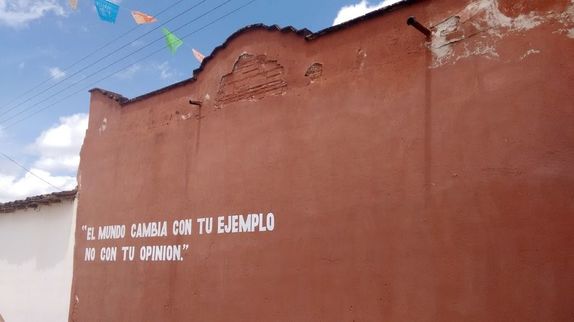
"EL MUNDO CAMIBA CON TU EJEMPLO NO CON TU OPINION."
"THE WORLD CHANGES WITH YOUR EXAMPLE, NOT WITH YOUR OPINION."
- Street art found near Casa del Cacique in Yanhuitlan
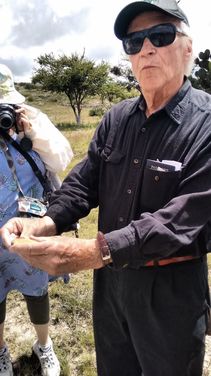
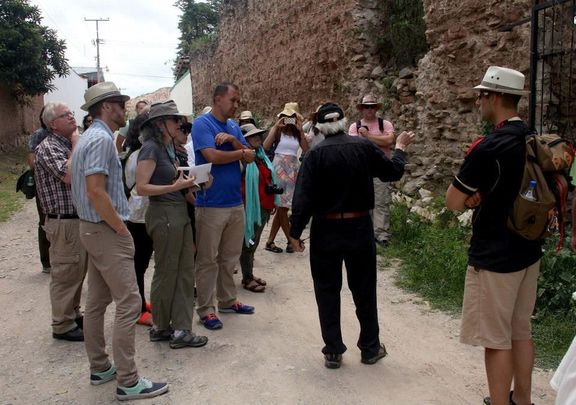
​On Thursday we spent time in the region of Yanhuitlan, about an hour’s drive from Oaxaca de Juarez. We were able to receive a guided tour from Ron Spores, who is leading an excavation in two sites in Yanhuitlan, one, Casa del Cacique, a 16th century indigenous noble’s home with a wealth of history, and another, the site of the biggest known city in the world at the time of the conquest in 1521.
​Casa de Cacique was the home of the indigenous lord of Yanhuitlan, which also served as the site of the town council meetings, with nine patios. The Spanish institution of the cahildo allowed for indigenous self-rule, with meetings that occurred in the native languages and were also recorded in those languages. Funding on this project was recently lost, and Ron Spores (center) explained that we wish to see this funding restored so that renovation can continue on this fascinating site.
Picture
Picture
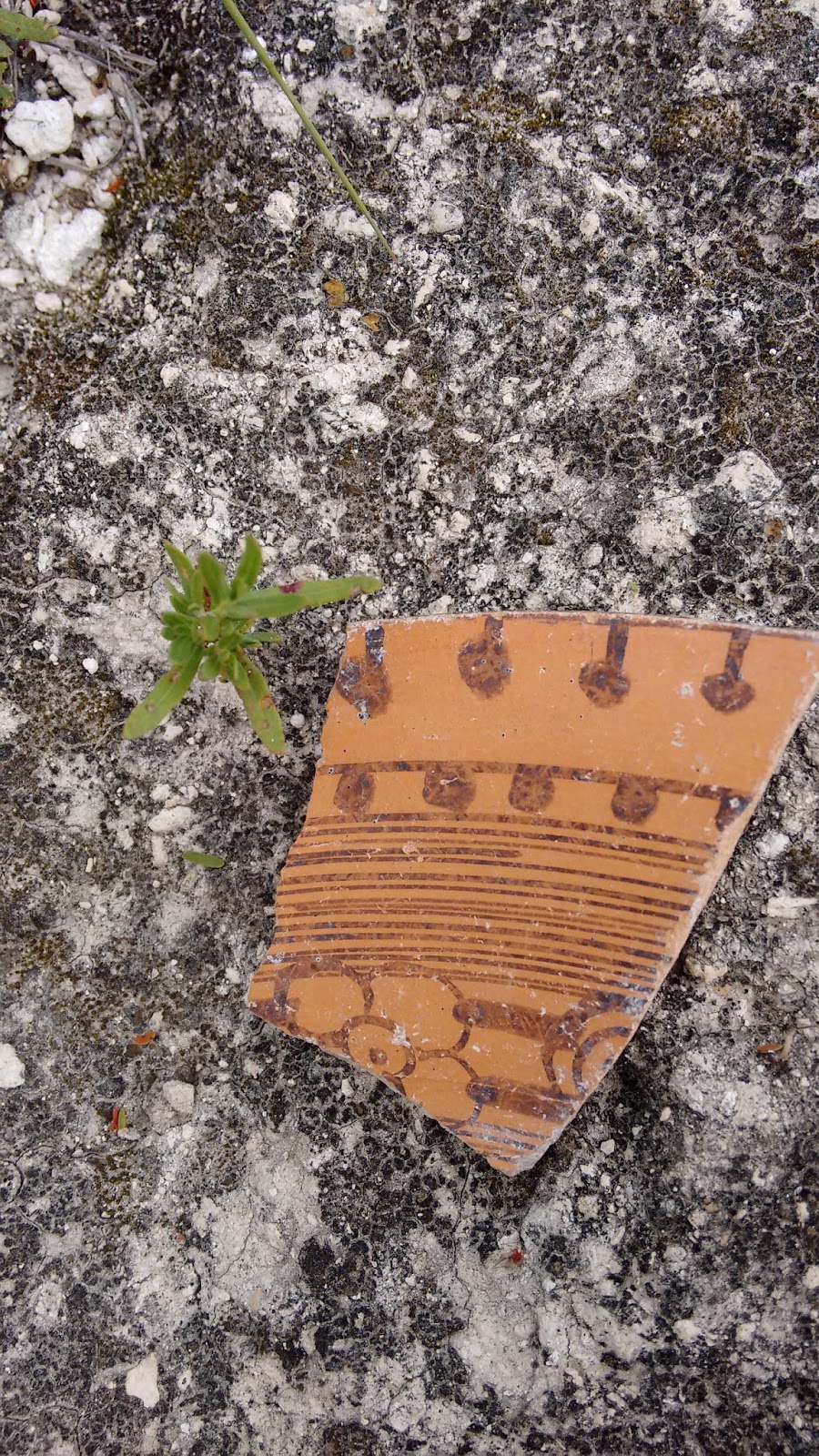
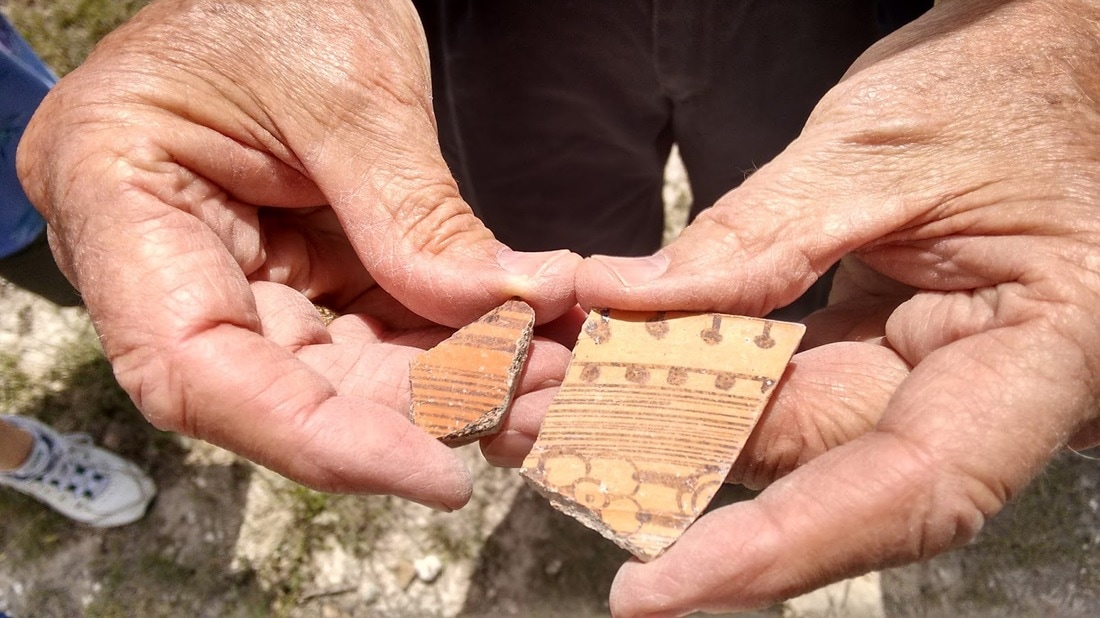
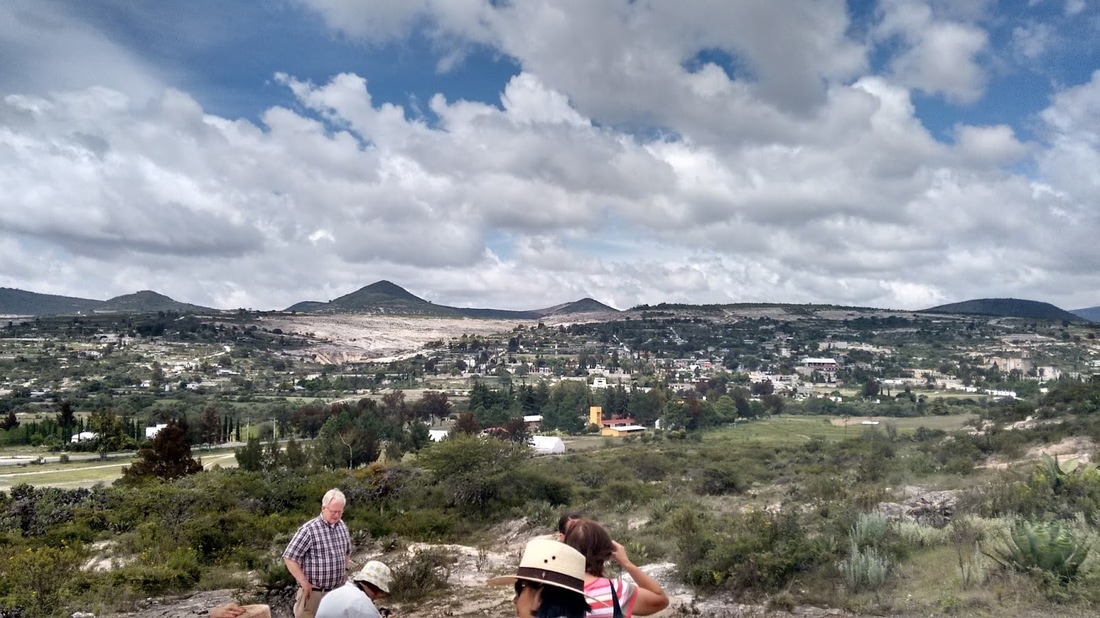
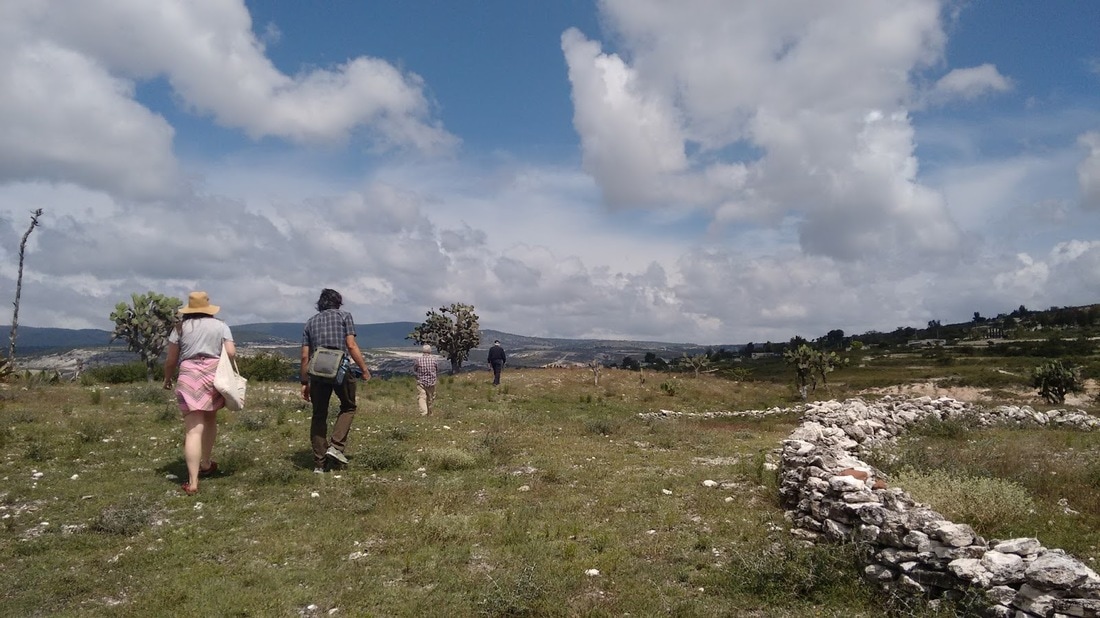
​After our tour of Casa de Cacique, we explored an archeological site in the outskirts of Yanhuitlan, which according to survey may have been the largest city in the world at the time of conquest in 1521. The land has been surveyed but not excavated, and we were fortunate enough to have the ability to explore the area and find remnants of the great city with our own hands. I was overjoyed to be able to excavate and play archeologist for the day, as archeology was my dream job at the ripe age of eight!
A description of our exploration from fellow NEH Scholar Geoff Agnor:
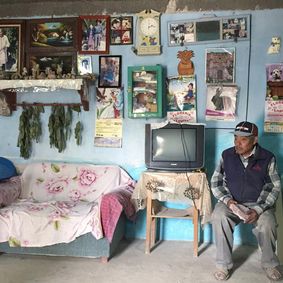
​“For most of his life, Gustavo has collected pottery and other important objects around his home in Coixtlahuaca, in the Mixteca Alta region of the north Oaxacan valley, which was historically inhabited by Chocho, Mixtec, and Nahuatl speakers. We found abundant shards of red on cream pottery and obsidian blades in the hills above Gustavo's house- archaeological evidence of a Mexica (Aztec) presence before Spanish conquest. Here Gustavo is seated in a room that serves as a pulqueria, living room, museum, and temple (out of frame; a rifle and hacksaw mounted on one wall and an elaborate Catholic altar at the far end of the room).”
Picture
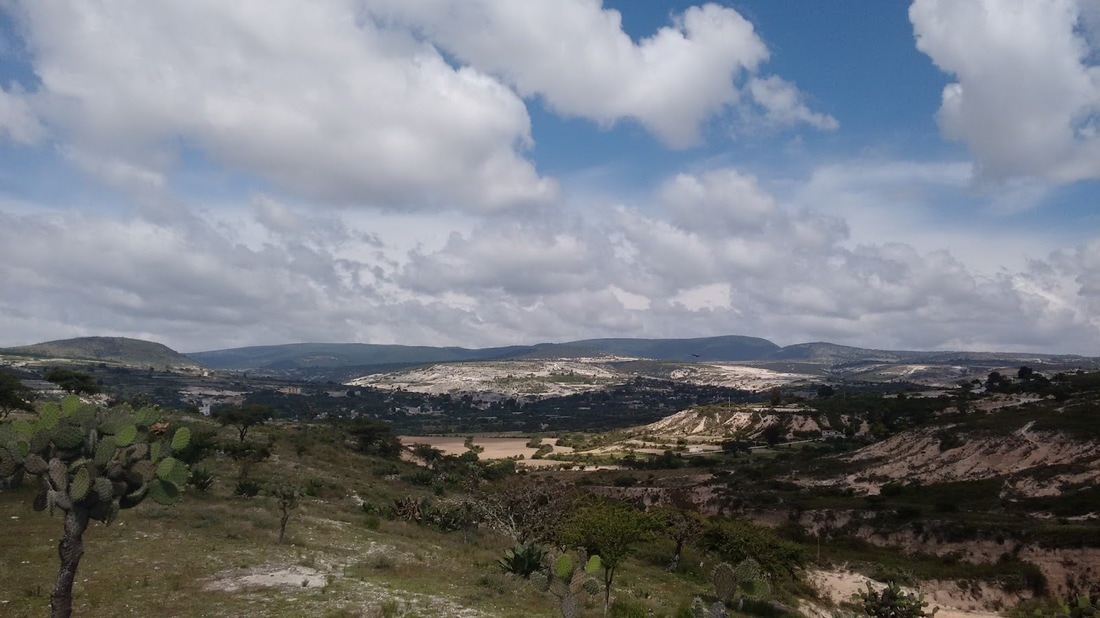
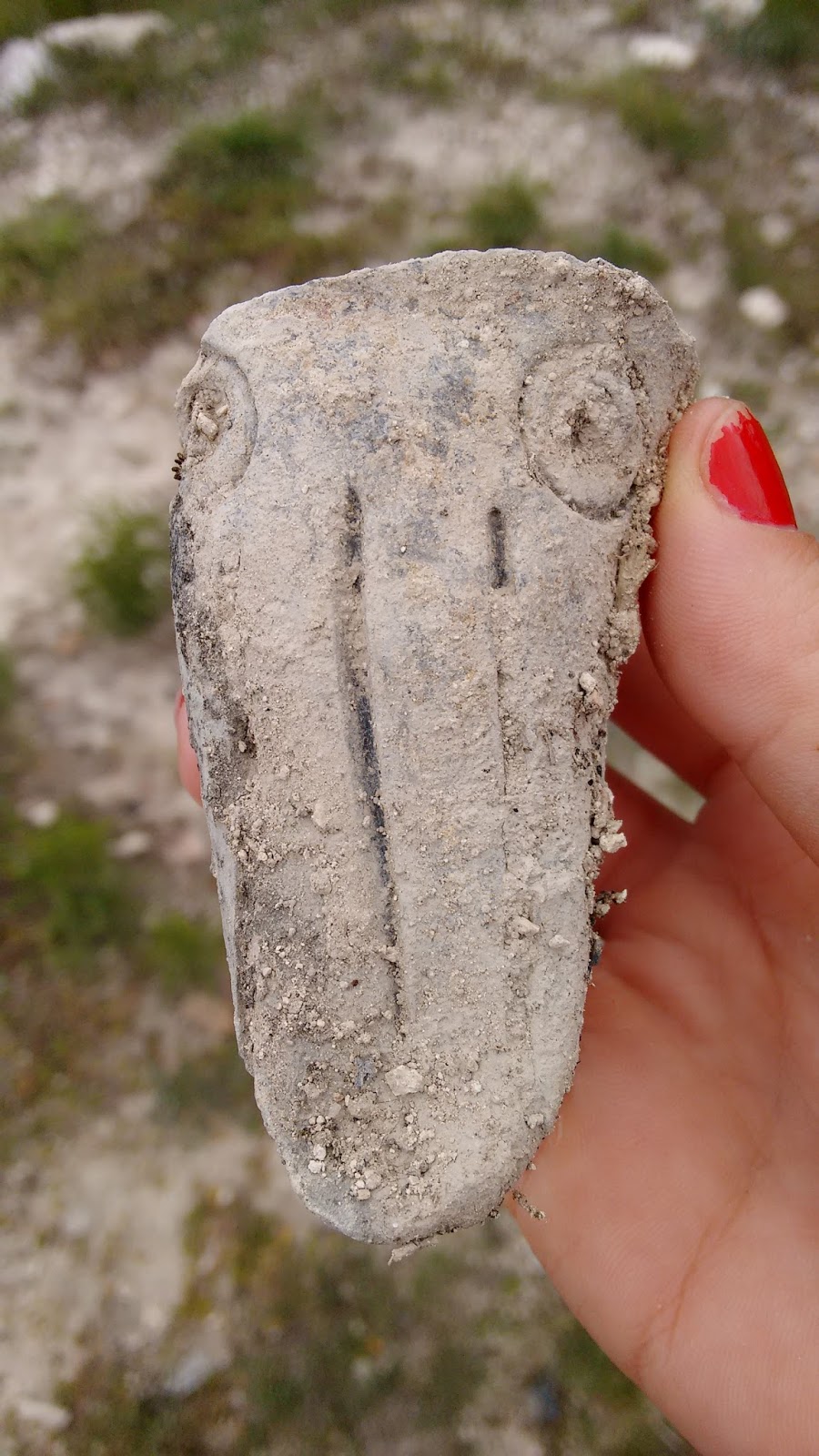
​Below, a few of my own excavations and a view of the cacti and landscape of the excavation site, such as the tripod leg of a pot that I found at the site (right).
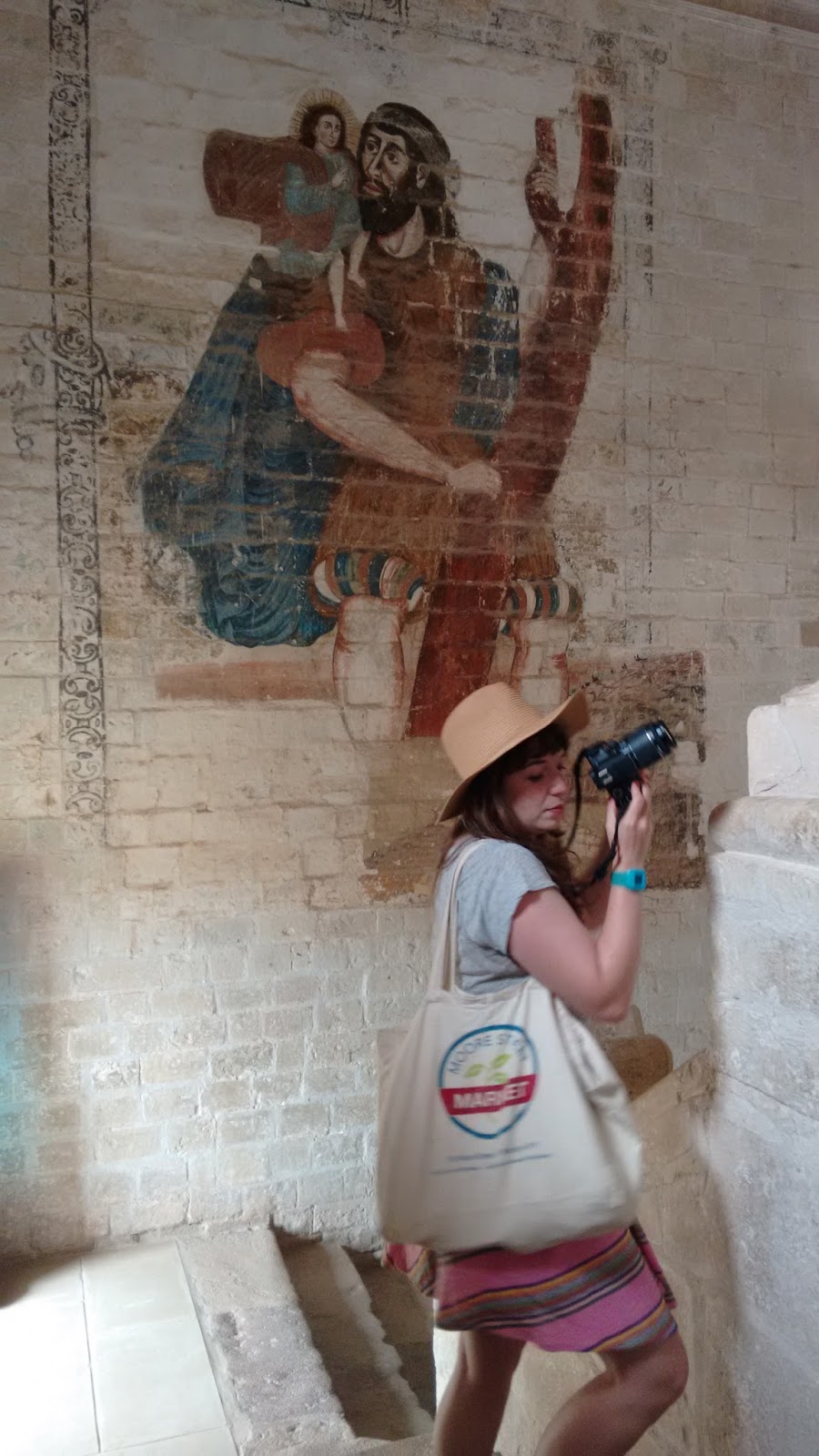
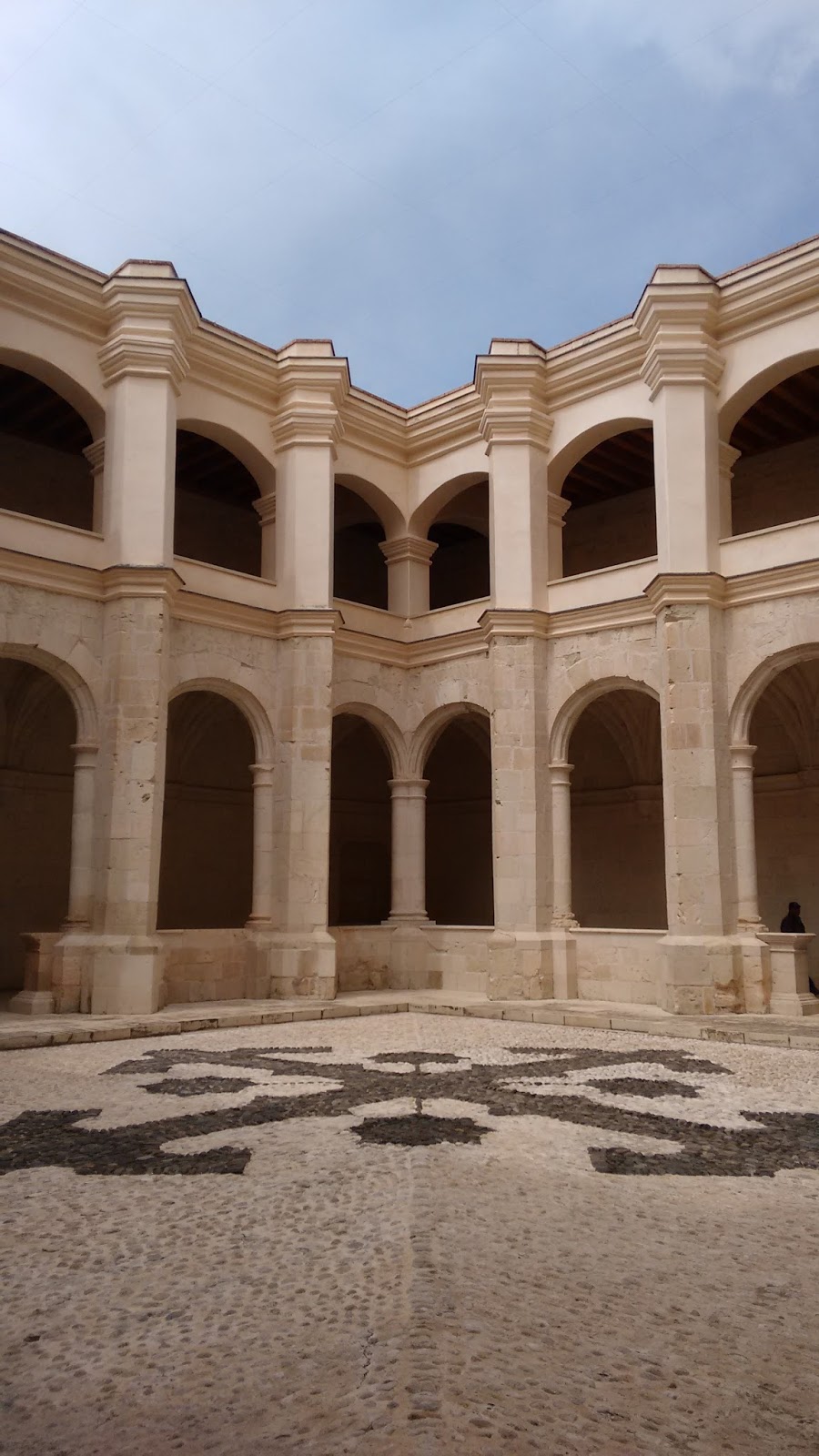
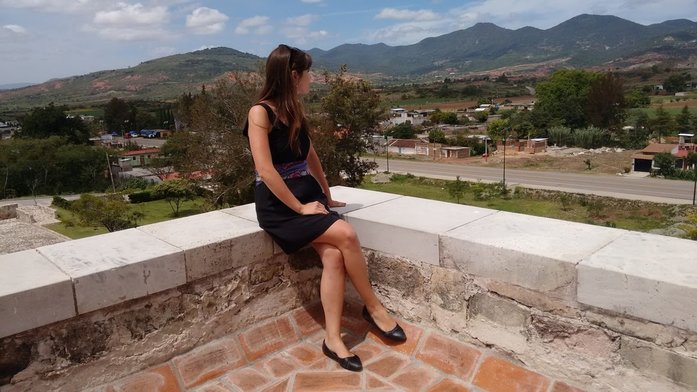
​That same day, we visited the ex-monastery Santo Domingo in Yanhuitlan. The monastery and house of worship was beautiful and extremely ornate. Below, the "mirador" or view of the pueblo of Yanhuitlan from the monastery.
Picture
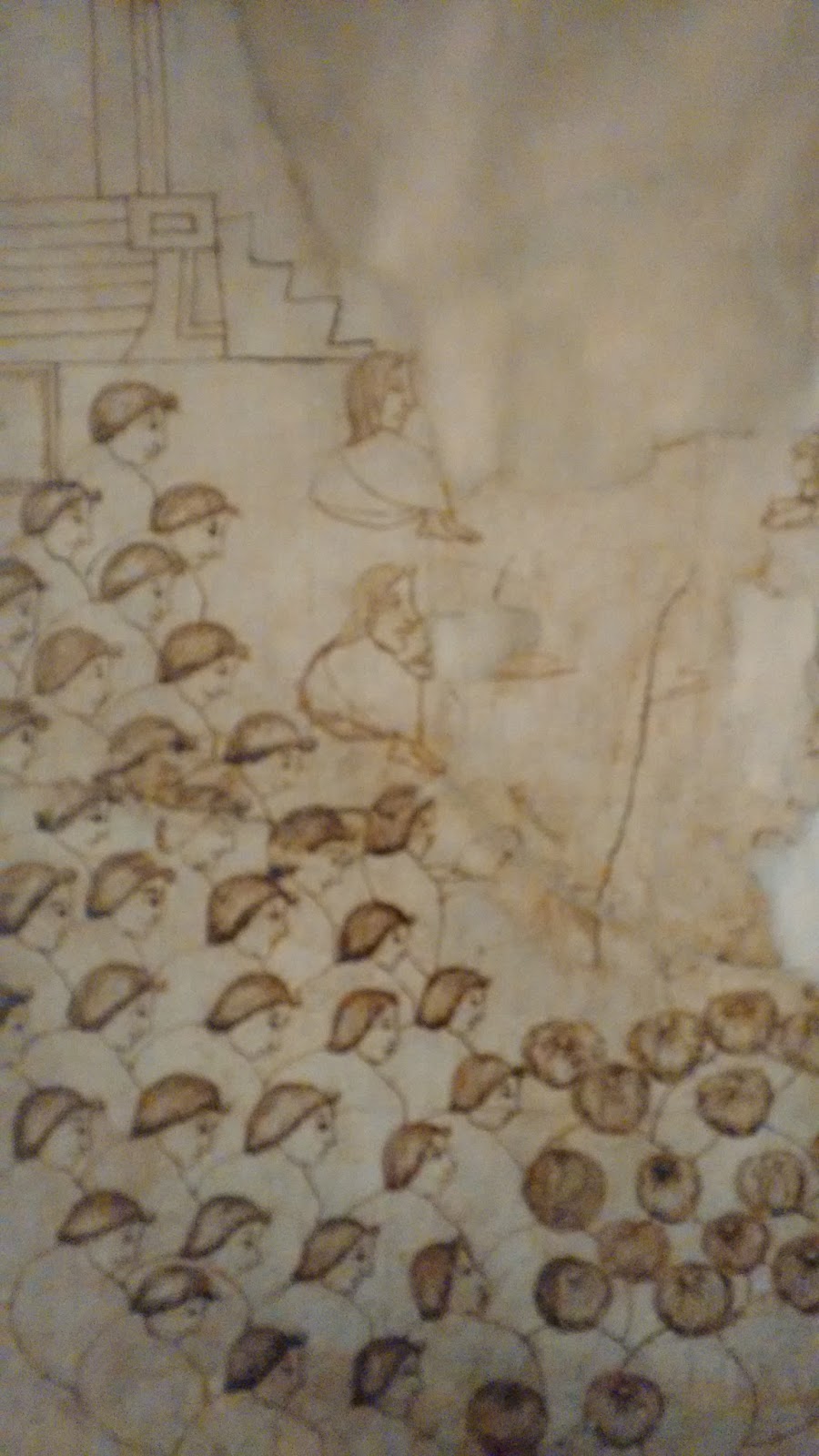
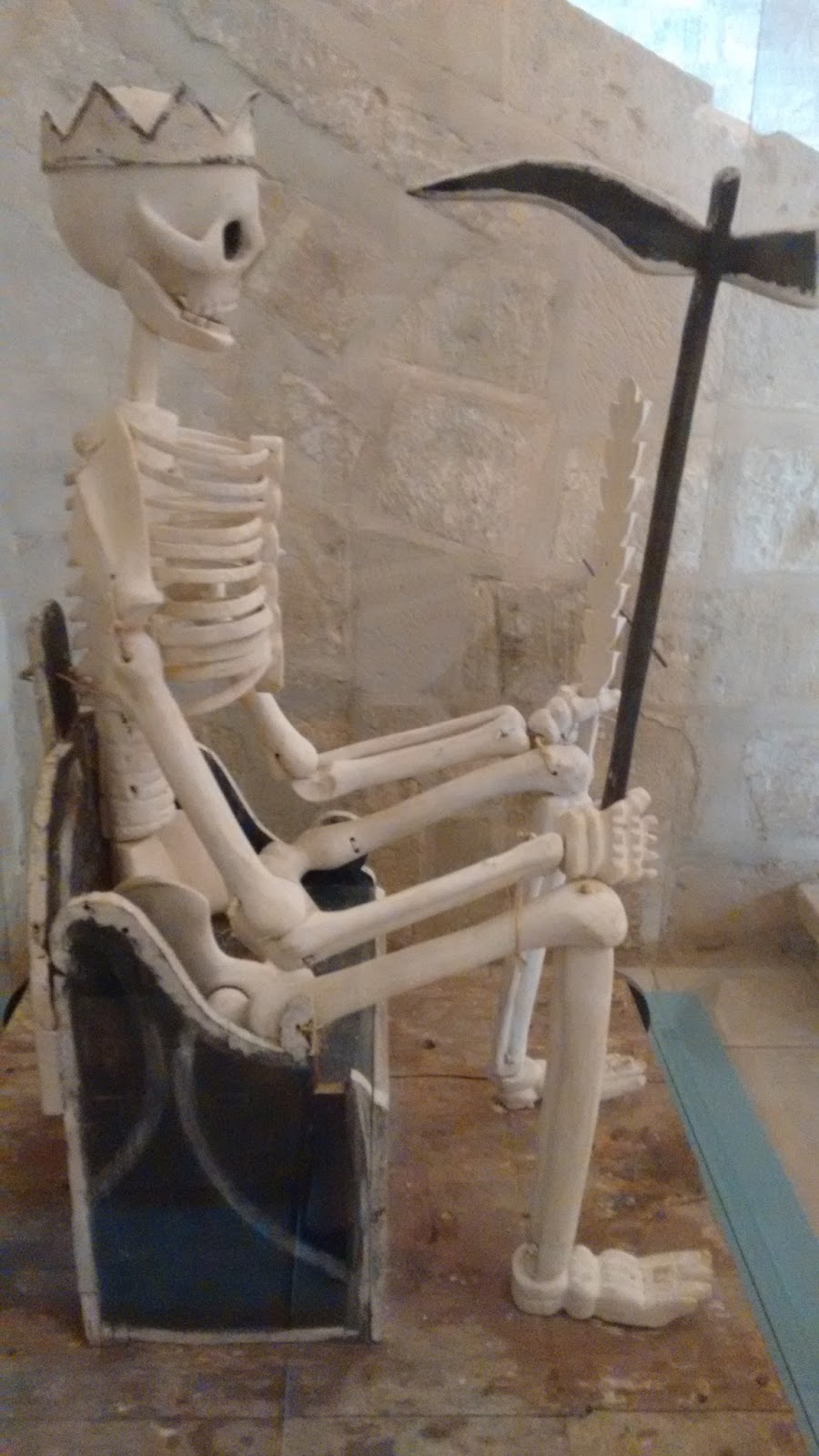
Pictured below is a skeleton that is used in the local "Semana Santa" processions, as well as the "Dandy Jesus", illustrated wearing bloomers from the 16th century Spanish conquest. Also pictured below are original manuscripts or codices found in the monastery's museum.
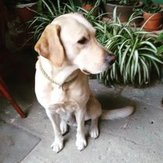
​And last but certainly not least, a photo of my friend Max that lives in the hacienda with me in Oaxaca for the month. ¡Qué guapo eres, Max!
Picture
Back to Travels in Mexico
HOME
ABOUT
BLOG
CONTACT

Visit My Teachers Pay Teachers Store

This website is a participant in the Amazon Services LLC Associates Program, an affiliate advertising program designed to provide a means for us to earn fees by linking to Amazon.com and affiliated sites.
  • Home
  • About
  • Lessons
    • Teaching with Music >
      • Song warm-up lesson plans, setup, procedure, and exams
      • How to teach "Tú sí sabes quererme" by Natalia Lafourcade
      • How to teach "La Carretera" by Prince Royce
      • How to teach "Latinoamérica" by Calle 13
      • How to teach "Prohibido Olvidar" by Rubén Blades
      • How to teach "Traidora" by Gente de Zona
      • How to teach "La Bicicleta" by Shakira and Carlos Vives
      • How to teach "Culpa al Corazón" by Prince Royce
      • How to teach "Déjà Vu" by Prince Royce and Shakira
      • How to teach "Amor de Mis Amores" by Natalia LaFourcade
      • How to teach "Despacito" by Luis Fonsi and Daddy Yankee
    • Teaching with TPRS >
      • Using TPRS in the World Language Classroom
      • Valentine's Day Lesson
    • Teaching with Tech >
      • Why Duolingo
      • Duolingo In Curriculum
    • Teaching with Film >
      • Rebelión en Oaxaca: Film Resource
      • Blossoms of Fire - A Film Resource
    • Teaching Social Justice >
      • Problems and Solutions in Our Baltimore Community
      • Resources for teaching students about the Oaxacan Uprising of 2006
  • Service Learning
    • The Advocacy Project >
      • Teaching Social Justice: My Background and Context
      • Inspiration for "The Advocacy Project"
      • Providing opportunities for volunteering during "The Advocacy Project"
      • How are students graded while participating in "The Advocacy Project"?
      • Student Reflections on "The Advocacy Project"
  • Travel
    • Cuba >
      • Pedro Pablo Oliva and "The Great Blackout"
      • Patio del Pelegrín Community Project
      • El Tanque - Casa Cultural Comunitaria
      • A Lecture with Cuban Academic Jorge Mario Sánchez Egozcue
    • Mexico >
      • Oaxaca: Mazatec and the language of whistling
      • Oaxaca: Monte Albán and a Oaxacan lunch
      • Oaxaca: Monte Albán and Atzompa
      • Oaxaca: Yanhuitlan
      • Oaxaca: Danza de las Plumas in Teotitlán del Valle
    • Spain >
      • Madrid
      • Sevilla
      • Feeling at home
  • Resources
  • Tutoring
  • Blog
  • Contact